





Common area
The term ‘common area’ (or common part) refers to areas and amenities which are provided for the common use of more than one person. Where there is a tenancy in common, such as a in a residential building complex, the common areas can be used by all tenants, with no one individual possessing more control over, or right to them than another.
This is different from common land which, in English law, refers to registered land on which individuals have ‘rights in common’.
Examples of common areas include:
- Car parks and access ramps.
- Corridors.
- Hallways.
- Lobbies and reception areas.
- Stairways.
- Roofs.
- Lifts.
- Fire escapes.
- Gutters and downpipes.
- Gardens, yards etc.
- Entrances and paths leading to entrances.
- Amenities such as kitchens, fitness facilities, store rooms, laundry rooms, etc.
- Recreational areas.
In a residential building, tenants are typically jointly responsible for the up-keep and maintenance of common areas. However, building owners may employ a building or facilities manager to maintain them. Depending on the level of up-keep, it can be advisable for tenants to arrange meetings at certain times throughout the year to discuss the maintenance of the common areas.
Common parts are defined as: 'Those parts of domestic properties (such as a block of flats) which are used in common by the occupants of more than one flat (such as the corridors and fire-escape routes)' in A reformed building safety regulatory system, Government response to the ‘Building a Safer Future’ consultation, Ministry of Housing, Communities and Local Government, April 2020.
The Housing Grants, Construction and Regeneration Act 1996 (HGRA - also known as the Construction Act) suggests that ‘common parts’ refers to: ‘...the structure and exterior of the building and common facilities provided, whether in the building or elsewhere, for persons who include the occupiers of one or more flats in the building’.
The Building Safety Act 2022 states: “common parts”, in relation to a building, means—
- (a) the structure and exterior of the building, except so far as included in a demise of a single dwelling or of premises to be occupied for the purposes of a business, or
- (b) any part of the building provided for the use, benefit and enjoyment of the residents of more than one residential unit (whether alone or with other persons);
[edit] Related articles on Designing Buildings
Featured articles
Check out some of the best features and news from Designing Buildings as well as key stories from around the web.
Building Safety Regulator, 19 August

Gill Kernick appointed Independent Chair of Residents’ Panel.
Connecting knowledge, technology and conservation
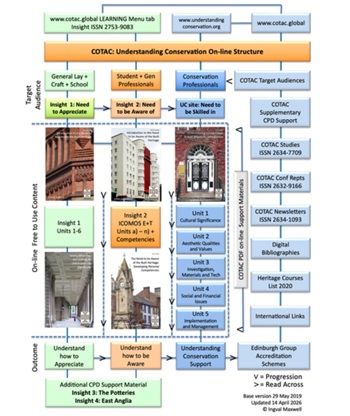
Building competence for the future of built heritage.
Building Regulations and Building Safety Act
CIOB publishes free advice for non-domestic clients.

Building Safety Newsletter from MHCLG.
An extraordinary record of steel engineering worldwide.

Households living near new pylons to save on bills.

ECA warns growth must not outpace grid capacity or skills.
The role of the client and decision making

CIOB response to built environment professions call for evidence.
Construction's sustainability reporting revolution
Tracking upfront embodied carbon with digital tools.
ECA welcomes procurement reforms

Public spending must back British jobs and skills.
Campaigning for Edinburgh: the Cockburn Association 1875-2049

The role of the civic voice in protecting character. Book review.
CIOB photography competition is open for entries.